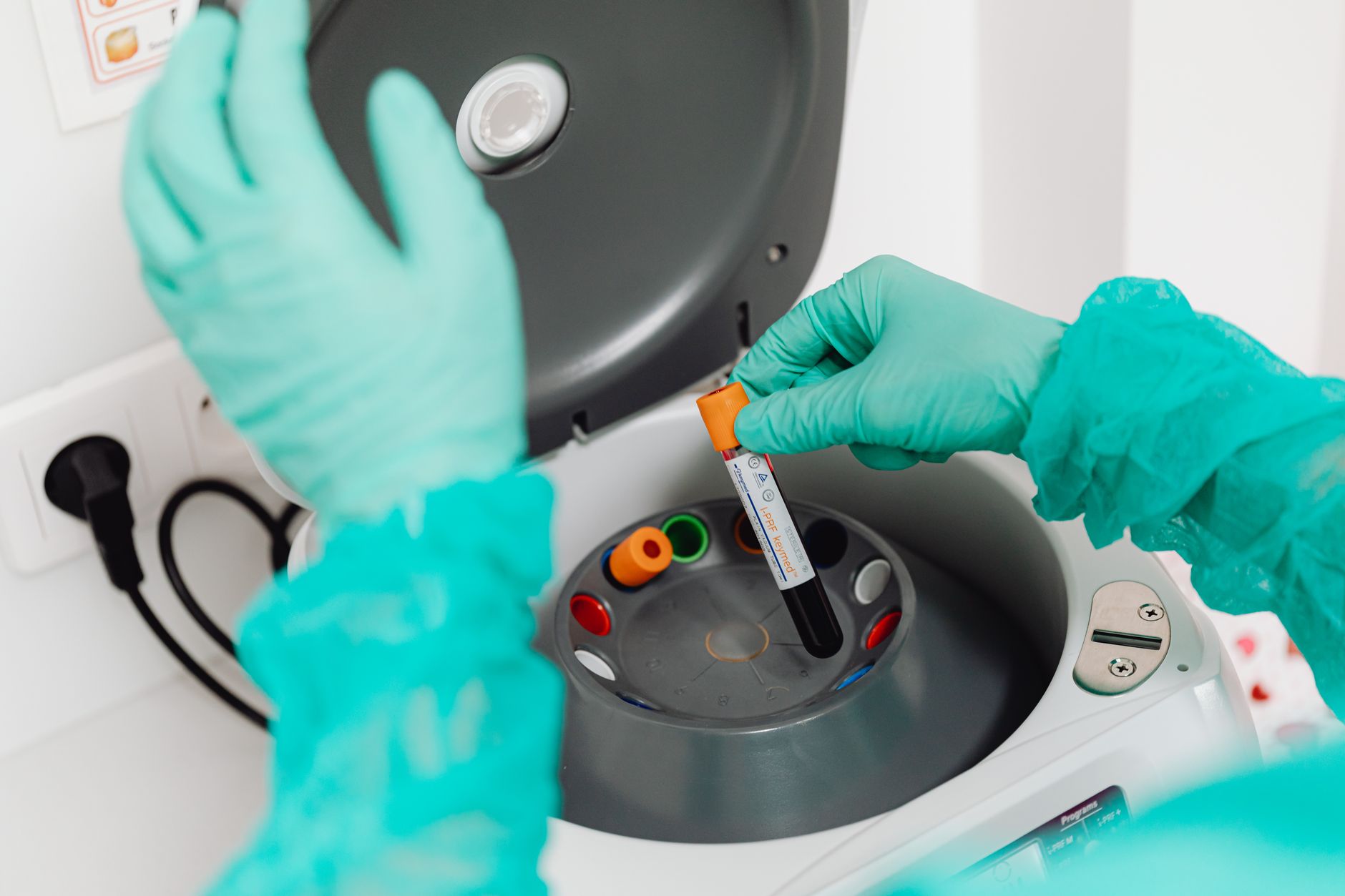
Indian healthcare has taken a significant leap forward with Dr Dangs Lab partnering with Guardant Health to bring cutting-edge blood-based multi-cancer detection tests to the country. This collaboration represents a milestone in making advanced cancer screening more accessible to millions of Indians, potentially transforming how early-stage cancers are detected and treated.
Understanding Multi-Cancer Detection Tests
Multi-cancer detection tests represent a new frontier in preventive healthcare. Unlike traditional screening methods that focus on one specific cancer type at a time, these blood-based tests can simultaneously screen for multiple cancer types from a single blood draw. The technology works by analyzing circulating tumor DNA and other biomarkers present in the bloodstream, which cancerous cells shed even in early stages.
The convenience factor cannot be overstated. Instead of undergoing multiple invasive procedures or imaging tests to screen for different cancers, patients can now receive comprehensive screening through a simple blood test. This approach is particularly valuable for detecting cancers in hard-to-reach organs or those without established screening protocols.
The Significance for Indian Healthcare
India faces a growing cancer burden, with approximately 1.4 million new cancer cases diagnosed annually. Many of these cases are detected at advanced stages when treatment options are limited and outcomes are poorer. Early detection remains the single most important factor in improving cancer survival rates.
Several factors make this partnership particularly relevant for India:
- Limited awareness about cancer screening among the general population
- Geographic barriers to accessing specialized diagnostic facilities
- Economic constraints that prevent regular comprehensive health checkups
- Cultural hesitation around invasive screening procedures
- Shortage of oncology specialists in tier-2 and tier-3 cities
By making advanced multi-cancer screening available through an established laboratory network, the barrier to early detection decreases significantly.
How Blood-Based Cancer Detection Works
The science behind these tests involves sophisticated genomic sequencing and analysis. When cancer develops, tumor cells release fragments of DNA into the bloodstream. These circulating tumor DNA fragments carry specific genetic mutations and methylation patterns that distinguish them from normal cell DNA.
Advanced laboratory techniques can identify these cancer-specific signals even when present in minute quantities. The tests analyze thousands of genomic regions simultaneously, comparing the patterns against known cancer signatures. Machine learning algorithms then help interpret the results to determine the likelihood of cancer presence and sometimes even pinpoint the tissue of origin.
Guardant Health's Track Record
Guardant Health has established itself as a leader in precision oncology, with its tests already used widely in the United States and other developed markets. The company's liquid biopsy technology has been validated through numerous clinical studies and real-world applications.
Their multi-cancer detection tests have demonstrated capability in identifying various cancer types including lung, colorectal, breast, pancreatic, and ovarian cancers, among others. The technology has shown particular promise in detecting cancers that currently lack effective screening methods.
Implications for Patients and Healthcare Providers
For patients, this development means more convenient and less invasive cancer screening options. Those with family histories of cancer or other risk factors can now access advanced screening without the anxiety and discomfort of multiple invasive procedures.
Healthcare providers gain a powerful tool for risk assessment and early detection. The ability to screen for multiple cancers simultaneously allows for more comprehensive preventive care strategies. Doctors can recommend these tests for high-risk populations or as part of annual health assessments for older adults.
Cost and Accessibility Considerations
While specific pricing details for the Indian market would be determined by Dr Dangs Lab, blood-based multi-cancer detection tests are typically premium offerings. However, the cost-benefit analysis becomes favorable when considering the expense of treating late-stage cancers versus early-stage interventions.
As the technology matures and adoption increases, economies of scale may eventually make these tests more affordable. Insurance coverage and corporate health packages may also begin incorporating multi-cancer screening as awareness grows.
Looking Ahead
This partnership signals India's integration into the global precision medicine ecosystem. As more diagnostic laboratories adopt advanced cancer detection technologies, the country moves closer to achieving better cancer outcomes through early detection and intervention.
The success of this initiative could pave the way for similar advanced diagnostic tests to enter the Indian market, gradually transforming the healthcare landscape from reactive treatment to proactive prevention.
This article is for general informational purposes only and should not be considered medical advice. Individuals should consult with qualified healthcare professionals to determine appropriate cancer screening protocols based on their personal health history, risk factors, and medical conditions.